

Enhance Your Underwater Photography Skills + Mastering Depth of Field
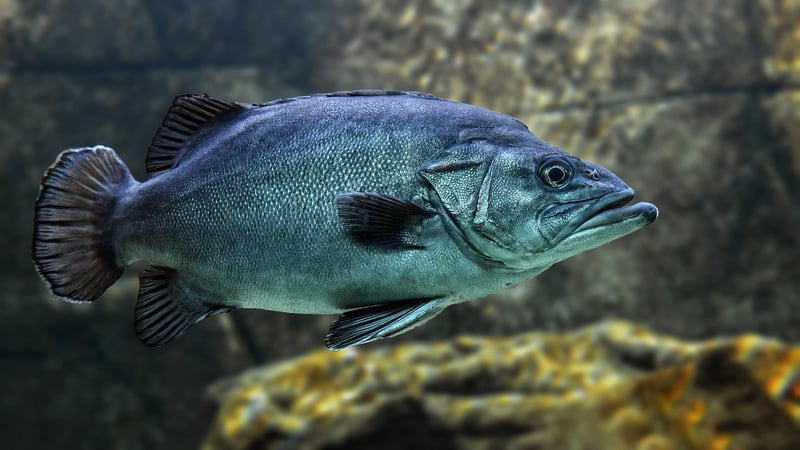
Underwater photography is a fascinating and challenging art form that allows you to capture the beauty of the underwater world. To truly excel in this field, mastering the concept of depth of field is essential. Let's explore how you can enhance your underwater photography skills and master depth of field to take your shots to the next level.
Understanding Depth of Field
Depth of field refers to the area in your photograph that appears sharp and in focus. It is influenced by factors such as aperture, distance to the subject, and focal length. In underwater photography, understanding and controlling depth of field is crucial for creating impactful images.
Tips for Mastering Depth of Field in Underwater Photography
- Use a Small Aperture: A smaller aperture (higher f-stop number) increases depth of field, ensuring more of the scene is in focus.
- Focus on the Eyes: When photographing underwater creatures, focus on the eyes to create a compelling and sharp image.
- Experiment with Foreground and Background Elements: Incorporating interesting foreground and background elements can add depth to your photos.
- Control Your Distance: Maintain an optimal distance from your subject to maximize depth of field and clarity.
- Practice Underwater: Familiarize yourself with your gear and practice shooting underwater to refine your skills.
Enhancing Your Underwater Photography Skills
Improving your underwater photography skills goes beyond mastering depth of field. Here are some additional tips to enhance your craft:
- Understand Lighting: Light behaves differently underwater, so learn how to work with natural and artificial light sources to create stunning images.
- Get Close to Your Subject: Minimize water between you and your subject to reduce backscatter and enhance clarity.
- Practice Buoyancy Control: Maintaining neutral buoyancy allows you to focus on composition and capturing the perfect shot.
- Invest in Quality Gear: Quality underwater gear is essential for capturing clear and vibrant images. Invest in a reliable camera, housing, and lighting equipment.
- Post-Processing: Use editing software to fine-tune your images and bring out the best in your underwater shots.
By mastering depth of field and incorporating these tips into your underwater photography practice, you can elevate your skills and capture breathtaking images of the underwater world.
Remember, practice makes perfect, so dive in and start exploring the beauty beneath the waves through your lens!